
Wasps, hornets, and yellowjackets become an aggressive threat as their colonies grow through the summer, and a nest tucked under an eave, in an attic, or in the ground can put your whole family at risk. Unlike honey bees, these insects can sting repeatedly, and a disturbed nest may release dozens of defenders at once — a serious danger to children, pets, and anyone with a sting allergy. Plymouth Pest Control provides fast, professional stinging insect removal throughout Plymouth, with fast, emergency service available when a nest poses an immediate hazard.
Identifying the species correctly is the first step, because each builds and behaves differently. Paper wasps build open, umbrella-shaped nests under eaves and railings, while bald-faced hornets construct large gray football-shaped nests in trees and on walls. Our experienced technicians wear protective equipment, treat the nest directly, and then remove it so it cannot be reoccupied or attract scavenging pests.
Honey bees are handled differently. Whenever possible, we work to relocate honey bee swarms and colonies alive, preserving these important pollinators instead of destroying them. If a colony is established inside a wall or attic, we also address the honeycomb to prevent odor, melting, and secondary pest problems. For safe, prompt stinging insect removal in Plymouth, MN, call (763) 247-2435 for a price quote.
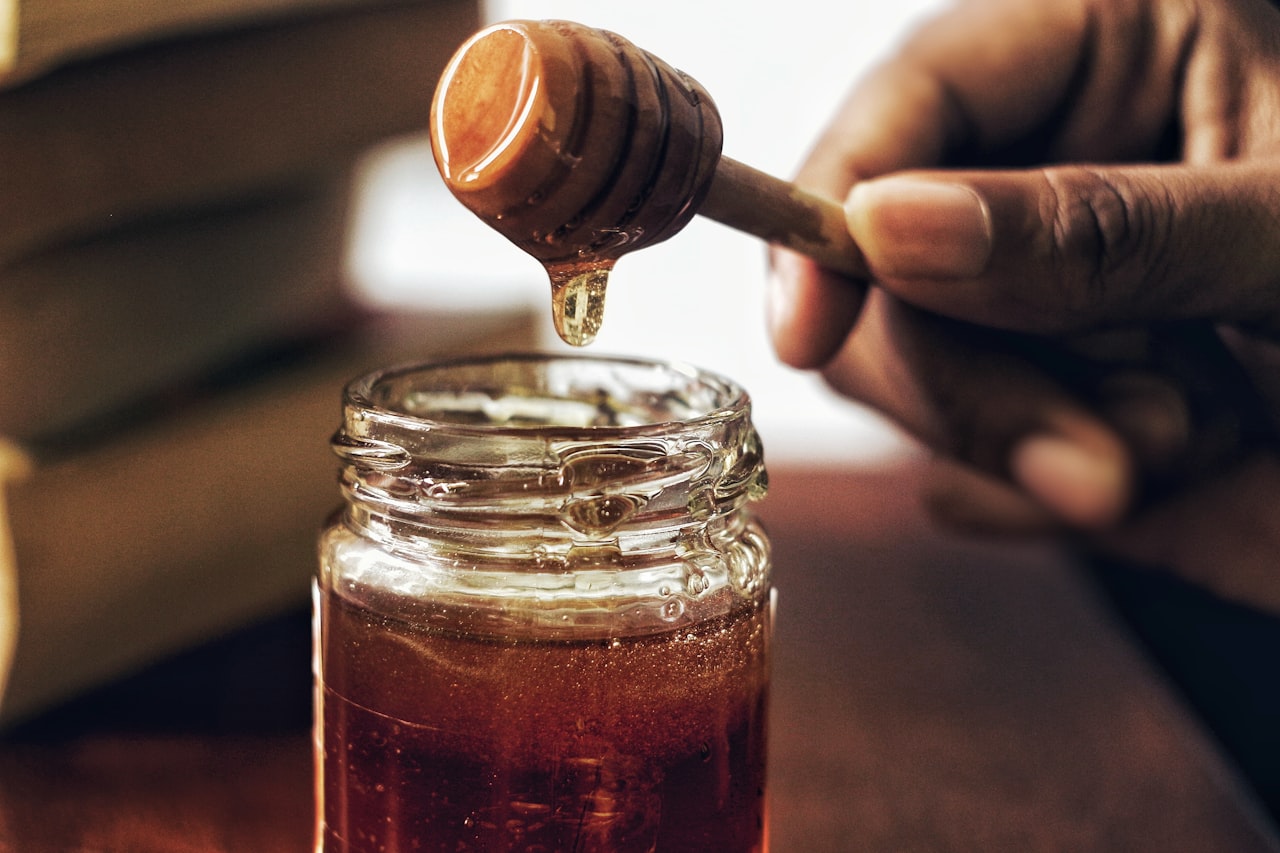
When to Call for Wasp & Bee Removal in Plymouth
Spotting the early warning signs gives you the chance to act before the situation spirals into something far more expensive. Watch for these telltale signs that professional help is needed:
- Wasps or hornets repeatedly flying in and out of one spot
- A visible paper or gray football-shaped nest under eaves or in trees
- Yellowjackets emerging from a hole in the ground or lawn
- Buzzing sounds coming from inside a wall or attic void
- Increased stinging insect activity around trash, food, or sweet drinks
- Honey bees clustering in a swarm on a branch or structure
- Stains or honey seeping through a ceiling or wall from a hidden hive
Don't Wait Until It's an Infestation
What seems like a minor issue today can turn into a major problem tomorrow. At the first hint of a problem, reach out to Plymouth Pest Control at (763) 247-2435 for a fast inspection.
Need Help With Wasp & Bee Removal?
Call our expert team for pricing today.
Call (763) 247-2435 TodayYour Wasp & Bee Removal Questions Answered
Why Professional Wasp & Bee Removal Matters
Attempting to remove a wasp or hornet nest yourself is one of the most dangerous pest control mistakes a homeowner can make. These insects sting repeatedly and release alarm pheromones that summon the entire colony to defend the nest. People are stung dozens of times when a DIY attempt goes wrong, and for anyone with an allergy, that can be life-threatening. experienced technicians wear protective suits, treat during the safest activity window, and know how to reach concealed nests in walls, attics, and the ground without provoking a mass response.
Honey bees demand expertise of a different kind. Killing a honey bee colony inside a wall leaves pounds of honeycomb behind that melts, ferments, stains, and draws ants, rodents, and other pests for months. Pollinators are also ecologically important and sometimes legally protected, so live relocation is the responsible choice whenever feasible. Knowing how to distinguish bees from wasps, when to relocate versus treat, and how to remove comb properly is exactly the kind of judgment a professional brings and a can of store spray cannot.
What to Expect From Our Wasp & Bee Removal
Our systematic approach delivers thorough, lasting results on every job. Here's exactly how the wasp & bee removal process unfolds:
Inspection & Species ID
Our technician locates the nest and identifies whether you have wasps, hornets, yellowjackets, or honey bees. Correct identification determines whether we remove and treat the nest or relocate a protected pollinator colony alive.
Safe Nest Treatment
Wearing protective equipment, we treat the nest directly during the safest window of activity. We reach concealed nests in eaves, attics, wall voids, and underground burrows that are extremely dangerous to disturb without proper gear.
Nest Removal or Bee Relocation
Once the colony is neutralized, we remove the nest so it cannot be reused or attract scavengers. For honey bees, we prioritize live relocation whenever feasible and address any honeycomb left inside the structure.
Prevention & Follow-Up
We seal common nesting voids, treat attractive eaves and overhangs, and advise on prevention. Recurring seasonal service keeps eaves and overhangs treated so new colonies struggle to establish.
Not Sure What You Need?
Call Plymouth Pest Control to discuss your wasp & bee removal needs with an experienced technician.
Get Help: (763) 247-2435How to Prevent Wasp & Bee Removal Problems
A little prevention goes a long way in avoiding a future infestation. Here are our expert recommendations:
- Inspect eaves, soffits, decks, and play structures in spring before colonies grow large
- Seal cracks, gaps, and wall voids around the home where wasps and hornets nest
- Keep outdoor trash cans tightly lidded and clean up food and sweet drinks promptly
- Cover or screen attic vents, gable vents, and openings that invite indoor nesting
- Avoid swatting at foraging wasps, which can trigger a defensive stinging response
- Fill abandoned rodent burrows in the yard where yellowjackets often establish nests
- Address small early-season nests quickly before they grow into large aggressive colonies
Should You DIY or Call a Pro?
A homeowner can manage the occasional pest, but serious infestations call for the products, equipment, and know-how only a pro brings. Here's a comparison:
| Factor | DIY Approach | Professional Service |
|---|---|---|
| Sting Risk | High risk of swarming, multiple stings | Protective gear and safe-window treatment |
| Hidden Nests | Can't safely reach wall or ground nests | Trained to treat concealed and buried nests |
| Species ID | Wasps and bees easily confused | Accurate ID guides treat-or-relocate decision |
| Bee Relocation | DIY usually kills protected pollinators | Live honey bee relocation whenever feasible |
| Honeycomb | Comb left to melt and attract pests | Comb addressed to prevent secondary problems |
| Reoccupation | Nest debris invites a new colony | Nest removed and voids sealed against return |
Get Wasp & Bee Removal Help Today
Every day you wait gives pests more time to spread. Get Plymouth Pest Control on the job today.
Get Help: (763) 247-2435